I Turn Food into Happiness Design
As an embroidery designer and product reviewer, I often find myself evaluating designs not just for their visual appeal but for how they translate into real-world projects. The I Turn Food into Happiness Design is one such piece that promises to bring a touch of joy to any embroidered item. This design is part of a collection celebrating culinary arts, making it ideal for chefs, home cooks, and anyone who finds happiness in the kitchen.
The First Impression
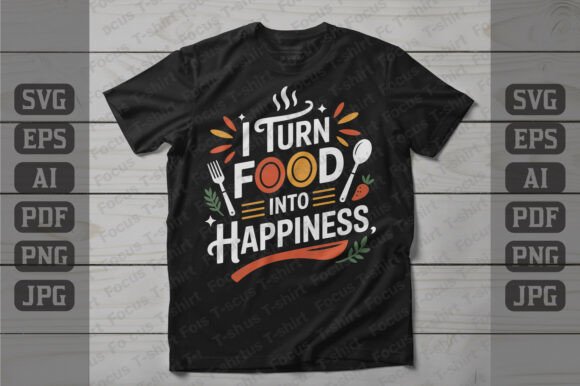
From the moment I laid eyes on the I Turn Food into Happiness Design, I was struck by its warm and inviting vibe. The layout is clean and well-balanced, with a central motif that feels both playful and professional. The theme is clear: food as a source of joy, which makes it a perfect fit for t-shirts, aprons, and other kitchen-related items.
The design uses a mix of bold lines and subtle details that suggest a handcrafted feel, even though it's a digital file. It’s versatile enough to work on a variety of fabrics and sizes, but there are some nuances that need careful consideration before jumping into a project.
Real-Life Embroidery Use Cases
Imagine you're preparing a custom embroidered tote bag for a local café. The I Turn Food into Happiness Design would be a great fit for this kind of project. It’s large enough to make a statement without overwhelming the fabric, and its simplicity allows it to stand out on both light and dark backgrounds.
This design also works well on sweatshirts, baby clothes, and caps. For a baby item, the softness of the design helps create a gentle, nurturing aesthetic. On a cap, it adds a fun, personal touch that can be used for a themed event or as a promotional item for a food-related business.
Another practical use is as an embroidered patch. Whether it's for a jacket, backpack, or a small accessory, the I Turn Food into Happiness Design holds up well when stitched onto a patch, maintaining its clarity and charm.
Where to Be Careful
While the I Turn Food into Happiness Design is generally versatile, there are certain scenarios where caution is needed. If you're working with small hoop sizes, you might find that some of the finer details don’t come through as clearly. It’s best to test it on a larger hoop first to see how it looks in full.
Textured fabrics, thin materials, and stretchy garments can also affect the final result. The design may lose some definition if the fabric isn't stable enough. Similarly, dark fabrics require careful thread color selection to ensure the design stands out without looking muddy.
For curved surfaces like caps or hoods, the design may need slight adjustments to maintain its shape and balance. Tiny lettering or dense stitch areas could become distorted if not handled properly. Always check the design in black and white mockups to get a better sense of how it will look on different backgrounds.
Impact on Visual Appeal and Customer Trust
The I Turn Food into Happiness Design has a strong visual presence that can elevate the perceived value of any finished product. When used on custom apparel or personalized gifts, it adds a layer of thoughtfulness that customers appreciate. It’s especially effective for handmade products that aim to connect emotionally with the buyer.
For small business owners and Etsy sellers, this design offers a way to build brand consistency while still offering something unique. It’s a good choice for boutique products that want to stand out in a crowded market. The design’s recognizable theme also helps with giftability, making it a safe bet for holiday or wedding gifts.
When used in commercial embroidery projects, the I Turn Food into Happiness Design can help establish a professional image. Its clean lines and clear message make it easy to incorporate into branding efforts, whether it's for a restaurant, catering service, or food-related event.
Practical Designer Notes
Before using the I Turn Food into Happiness Design in your next project, there are several steps you should take. First, always test the design on scrap fabric to see how it looks in real conditions. Check the thread color contrast to ensure it complements the fabric and doesn’t fade or bleed.
Review the stitch density to make sure it’s appropriate for the type of fabric you’re using. If the design is too dense, it may cause puckering or distortion. Confirm the hoop size required and make sure your machine can accommodate it. Inspect small details closely, especially if the design includes intricate elements or text.
Use proper stabilizer to prevent shifting or stretching during the stitching process. Test the design on both light and dark backgrounds to see how it performs in different lighting conditions. Finally, confirm the licensing terms before selling finished items or digital products, as this can vary depending on the source of the design.
Final Thoughts
The I Turn Food into Happiness Design is a thoughtful and well-crafted piece that has the potential to enhance a wide range of embroidery projects. Whether you're creating custom apparel, personalized gifts, or small shop merchandise, this design offers a balance of style and functionality.
As with any embroidery file, success depends on how well you understand the design’s strengths and limitations. By taking the time to test, adjust, and refine your approach, you can ensure that the final product meets both your standards and your customer’s expectations.