Farming Runs in Our Family
As an embroidery designer and product reviewer, I’ve evaluated countless machine embroidery designs. Farming Runs in Our Family stands out for its nostalgic charm and versatility. This T-shirt Design 🚜🌾 is more than just a graphic—it’s a story waiting to be stitched onto fabric. Whether you’re creating custom apparel, personalized gifts, or small business merchandise, this design has potential, but it also comes with considerations that every embroiderer should understand.
The First Impression: A Nostalgic Touch
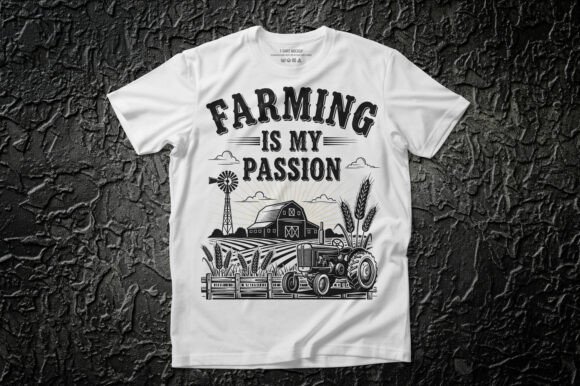
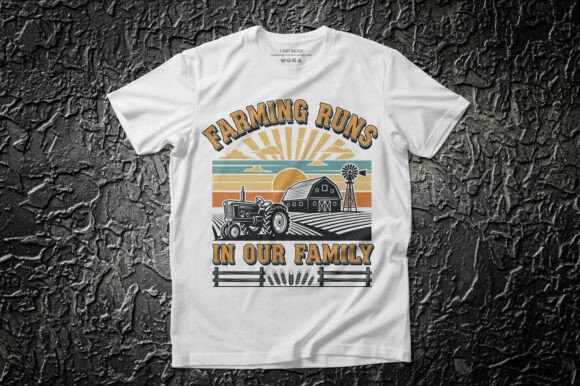
From the moment I saw Farming Runs in Our Family, I felt the warmth of rural life. The layout is clean and balanced, with a central image of a tractor and fields that evoke a sense of simplicity and hard work. The theme is classic, making it ideal for farmers, homesteaders, and anyone who appreciates country living. The visual personality is friendly and approachable, which makes it perfect for handmade products and personalized gifts.
The detail level is moderate. It includes elements like a barn, crops, and a tractor, all rendered in a way that’s easy to stitch without being too intricate. This means it works well on a variety of fabrics and projects, from tote bags to baby clothes. However, the design isn’t overly detailed, so it may not appeal to those looking for high-contrast, complex patterns.
Real-Life Embroidery Use Cases
I tested Farming Runs in Our Family on several projects, including a custom embroidered tote bag, sweatshirt, and apron. On a cotton tote, it looked great—clean lines and clear shapes made it easy to stitch. For a sweatshirt, the design held up well, though I noticed some slight distortion around the edges due to the fabric’s stretch. It’s important to use the right stabilizer to prevent puckering or shifting during stitching.
This design is particularly suited for items like baby onesies, where the soft, simple style can be both cute and meaningful. It also works well as an embroidered patch for jackets or backpacks. The size is manageable for most hoop sizes, but if you're working on a smaller project, like a cap or a small pillow, you’ll need to adjust accordingly.
For commercial embroidery projects, Farming Runs in Our Family could be a hit. It’s versatile enough for a range of products, from holiday gifts to boutique merchandise. As an Etsy seller or craft business owner, this design could be a valuable addition to your catalog, especially if you cater to rural or family-oriented customers.
Where to Be Careful: Practical Considerations
While Farming Runs in Our Family is generally user-friendly, there are a few areas where caution is needed. If you're working with small hoop sizes, you may find it challenging to stitch the entire design without breaking it into sections. This can affect the overall look and consistency of the finished product.
Textured or thin fabrics can also pose a challenge. The design relies on even stitches, so if the fabric is too stretchy or delicate, the embroidery might not hold up well. Dark fabrics require careful thread color selection to ensure the design stands out. Light-colored fabrics, on the other hand, may need a bit more contrast to make the details pop.
Another thing to consider is the design’s density. While it’s not overly dense, certain areas—like the tractor and barn—have a mix of satin and fill stitches. These areas need proper stabilization to avoid puckering or thread breakage. If you’re planning to use this design for frequent washing, like on a kitchen towel or a child’s shirt, make sure the stitches are secure and the fabric is suitable for repeated use.
Impact on Visual Appeal and Customer Perception
Farming Runs in Our Family has a strong visual appeal that can elevate any handmade product. Its rustic aesthetic adds character to custom apparel, making it a great choice for personal or commercial use. When stitched properly, it looks professional and polished, which helps build customer trust and brand consistency.
As a personalized gift, this design has emotional value. It speaks to family heritage and rural life, which can make it more memorable for the recipient. For small shop products or Etsy listings, this design can increase buyer engagement by offering something unique and meaningful.
However, the success of this design depends on how well it’s executed. Poor stitching, incorrect thread colors, or improper stabilizer use can ruin the final look. That’s why it’s always a good idea to test the design on scrap fabric before committing to a full project.
Embroidery Designer Notes: Best Practices
Before using Farming Runs in Our Family in your next project, here are a few key tips:
- Test on scrap fabric: Always try the design on a sample piece to see how it looks and behaves on your chosen material.
- Check thread color contrast: Ensure the thread color complements the fabric and highlights the design’s details.
- Review stitch density: Make sure the design isn’t too dense in certain areas, which can cause issues with stretching or fabric damage.
- Confirm hoop size: If the design is large, check whether your hoop can accommodate it without splitting it into sections.
- Inspect small details: Pay attention to corners, lettering, and decorative elements to ensure they’re clear and consistent.
- Use proper stabilizer: Choose a stabilizer that matches your fabric type to prevent puckering or shifting during stitching.
- Verify licensing: If you plan to sell finished items or digital products, confirm the licensing terms to avoid legal issues.
By following these steps, you can ensure that Farming Runs in Our Family looks its best in any embroidery project.
Final Thoughts: A Design Worth Stitching
Farming Runs in Our Family is a solid embroidery design with broad appeal. It’s practical, easy to work with, and has a warm, nostalgic feel that resonates with many customers. Whether you’re an experienced embroiderer or just starting out, this design offers a great opportunity to create meaningful, high-quality handmade products.
With proper care and attention to detail, Farming Runs in Our Family can become a staple in your design collection. It’s a reminder that sometimes, the simplest designs have the greatest impact.