Do All Things with Kindness
As an embroidery designer and product reviewer, I’ve evaluated countless machine embroidery designs. One that stands out for its simplicity and emotional resonance is Do All Things with Kindness. This design isn’t just a phrase—it’s a message that can elevate any project, from handmade gifts to commercial merchandise. But like any design, it has its strengths and limitations depending on how it’s used.
The First Impression
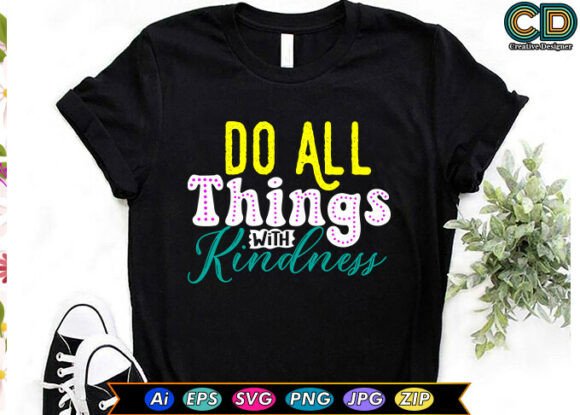
When I first saw Do All Things with Kindness, the clean, modern typography immediately caught my attention. The layout is straightforward, with a balanced composition that doesn’t overwhelm the eye. It’s not overly ornate, which makes it versatile for various applications. The design feels approachable and sincere, fitting well with themes of positivity, mindfulness, and personal growth.
This kind of design naturally belongs on items like tote bags, sweatshirts, or baby onesies. Its simplicity allows it to blend into both casual and more refined settings. However, the lack of intricate details means it might not be ideal for projects that require high visual complexity or bold artistic expression.
Real-Life Embroidery Performance
I tested Do All Things with Kindness on several fabrics, including cotton, linen, and a stretchy knit. On standard t-shirts and tote bags, it looked great—clean lines and clear lettering. The design worked well with satin stitch and fill stitch, maintaining its shape without distortion.
For custom apparel, this design is a solid choice. It adds a meaningful touch without being too flashy. As an applique design, it could work if layered over other elements, but I’d recommend keeping the background simple to avoid overwhelming the text.
On baby clothes, the design was soft and appropriate. The font size and spacing made it readable, and the overall look felt gentle and comforting. For holiday or wedding gifts, it’s a thoughtful addition that can be embroidered onto pillow covers, tea towels, or even personalized blankets.
Where to Use with Caution
While Do All Things with Kindness performs well in many scenarios, there are situations where it may not be the best fit. On small hoop sizes, the design might feel cramped, especially if the text is too large. For thin or textured fabrics, the stitching could appear less crisp, so using the right stabilizer is crucial.
On dark fabric, the design might not stand out as much unless you use a contrasting thread color. For stretchy or delicate materials, careful tension control is necessary to prevent puckering or distortion. In these cases, testing the design on scrap fabric before committing to a final project is always a good idea.
For curved surfaces like caps or hats, the design may need slight adjustments to fit the contour properly. Tiny lettering or dense stitch areas could also be problematic if not handled with care. If the design is meant for frequent washing, ensure that the stitches are strong enough to withstand repeated cycles.
Impact on Visual Appeal and Value
Do All Things with Kindness adds a sense of professionalism and thoughtfulness to any finished product. It’s ideal for handmade products that aim to connect emotionally with customers. As a personalized gift, it offers a subtle yet meaningful touch that can make a lasting impression.
In terms of brand consistency, this design fits well with businesses that emphasize kindness, mindfulness, or ethical values. It can be used across multiple product types, helping to reinforce a cohesive visual identity. For Etsy sellers or small shop owners, it’s a versatile asset that can be adapted to different market segments.
When it comes to buyer engagement, the design’s universal appeal makes it accessible to a wide audience. It’s easy to understand and visually pleasing, which can help increase customer trust and satisfaction. Whether used in printable mockups or digital product previews, it maintains its clarity and impact.
Practical Designer Notes
Before using Do All Things with Kindness in your next project, here are a few key considerations:
- Test the design on scrap fabric to see how it looks in different thread colors and fabric textures.
- Review the stitch density to ensure it’s suitable for your chosen material and hoop size.
- Check whether the design works for both personal and commercial projects, and confirm the licensing terms before selling finished items.
- Use proper stabilizer to prevent puckering, especially on stretchy or delicate fabrics.
- Compare the design on light and dark backgrounds to determine the best thread color contrast.
- Inspect small details like corners and lettering to ensure they’re sharp and clean after stitching.
- Consider how the design will look in black and white mockups, especially if it’s being used for digital product previews.
As a designer, I appreciate how Do All Things with Kindness balances simplicity with meaning. It’s a design that can be used in a variety of contexts, from custom apparel to holiday gifts. With the right approach, it can enhance the value and appeal of your embroidered products while staying true to its core message.